
- February 7, 2026
- Darren Tobia
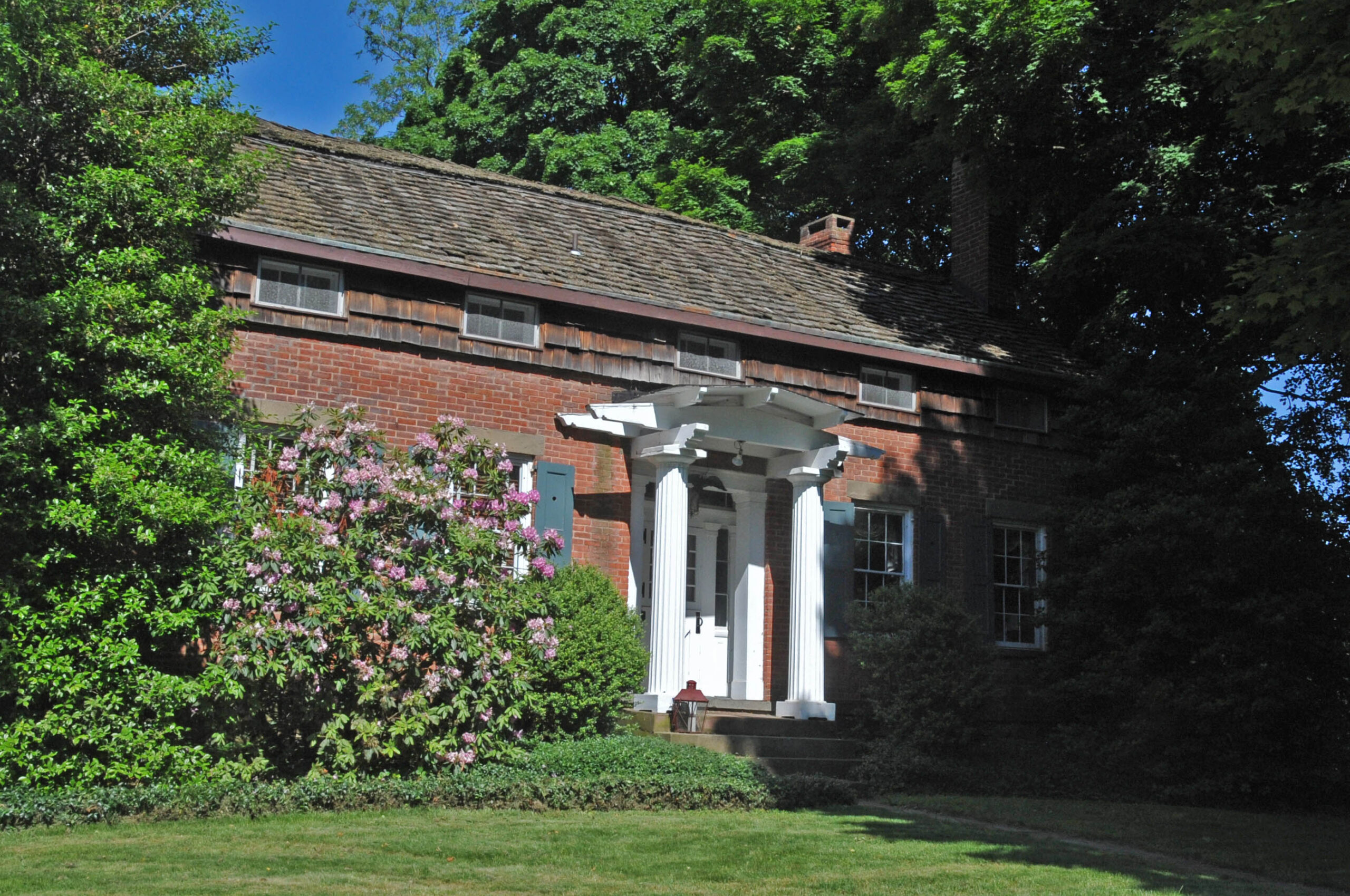
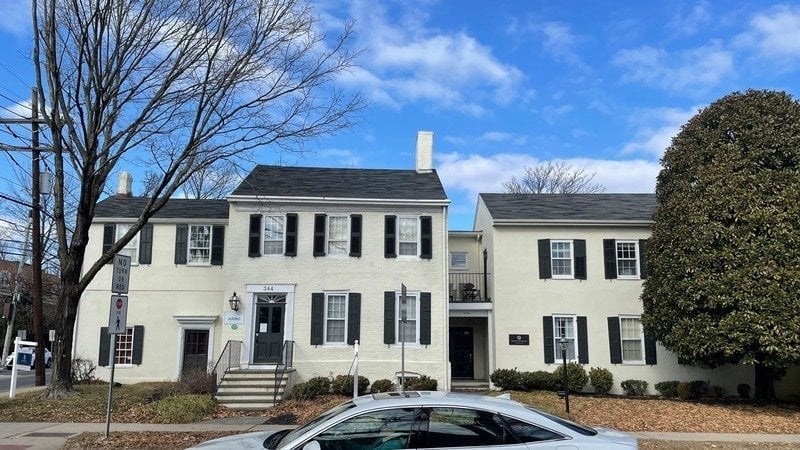
The fight to save the Joseph Hornor House isn’t just about protecting one landmark. It is a broader statement about how new development should exist with the historic buildings in Princeton.
Developer Daniel Barsky, president of R.B. Homes, seems to have heard that statement after withdrawing his plans to demolish part of the Hornor House, which has retained a remarkable amount of its 18th-century design, especially in the interior of the house.
Barsky also agreed to reduce the height of the 10-unit apartment building proposed on the neighboring lot from four stories to three. These concessions earned his application unanimous approval from the Historic Preservation Commission in December.
“The consensus from the community was that this previous proposal was not consistent with the historic district and neighborhood, especially in terms of scale and massing,” Barsky said.
The home at 344 Nassau Street — named one of Preservation New Jersey’s most endangered places in 2024 — is part of the Jugtown Historic District. The National Register listing singles out the Hornor House as the “most important and pivotal building at the Jugtown crossroads.”
The name Jugtown comes from the pottery that the Hornor family sold when Nassau Street was one of the most important routes in the Colonial era.
“It was the main road, not just through New Jersey, but through the colonies,” said Elric Endersby at the HPC’s review of the application in 2024, when it was denied.
At that meeting, Endersby, who died this past October, gave a presentation about the home, which is not typical of a commissioner to do, conveying the importance of this particular landmark.
Although the HPC can only weigh in on the exterior of a home, Endersby spent time discussing the original features inside it, like chair railings and staircases, and floor joists that exemplified Colonial era craftsmanship. It was an attempt to persuade Barsky from stripping these details in a gut renovation to convert the top floor offices into apartments.
“You bought one of the earliest and most interesting vernacular buildings in Princeton, but I don’t see any sense there of taking an interest in that structure, in that property, from the point of view of our history, the history of the development of this country,” Endersby said. “It’s insensitive on all those points of view, and I know you’re better than that.”
The developer said Enderby’s presentation inspired him to submit a new application. “Sadly, he’s not here today to see this redesign,” Barsky said. “But I’d like to believe he’d be very pleased to see this revision.”
Another major change in the latest version of the application is that the commercial space will remain on the top floor. This requires a variance and will have to appear before the Zoning Board. But the tradeoff was worthwhile, according to Bruce Afran, the lawyer for Save Jugtown, a nonprofit that formed in opposition to Barsky’s original plans
“We endorse this variance in particular,” Afran said. “Because nothing is actually lost from the historical usage there, but we gain preservation of the historical structure.”
What is happening at the Hornor House is a symptom of a larger transformation happening in Princeton, which is undergoing a period of rapid growth. In addition to an expanding student population, the township, like municipalities across New Jersey, has fallen prey to builder’s remedy lawsuits, like the one at the Princeton Theological Seminary. There is a growing resistance to the scale and style of new development happening within its borders.
In the case of the Hornor House, the willingness of the developer to heed criticism marked a welcome change, according to historian Clifford Zink, one of the founders of Save Jugtown
“We don’t always see that around town — quite often there are adversarial situations where the two sides don’t talk to each other,” Zink said. “We were very lucky to have a developer in this situation — and an architect and attorney — to look at how a compromise could be arrived at.”