

- May 9, 2026
- Gordon Bond
https://preservationnj.org/the-fight-for-archeology-at-the-thomas-mundy-peterson-home-site/Does historic preservation advocacy matter?
That might seem like an heretical question—after all, it’s Preservation NJ’s whole raison d’être. A recent experience, however, had me pondering such things as a practical matter.
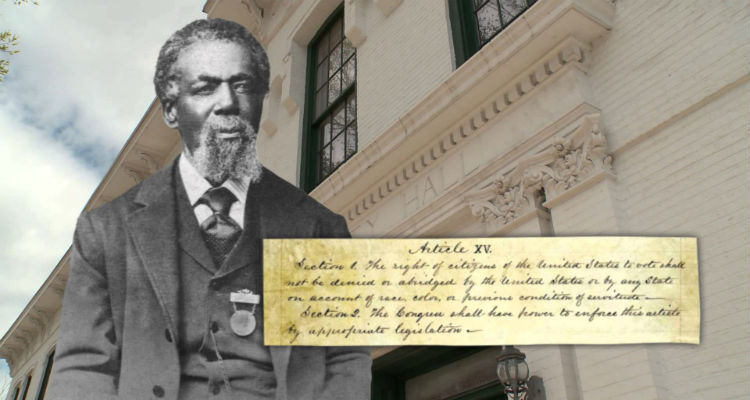
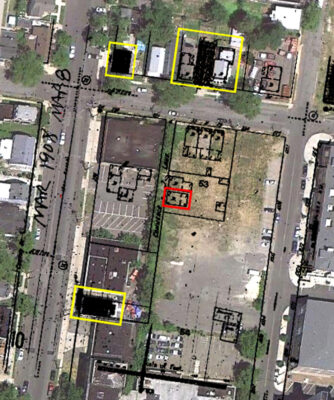
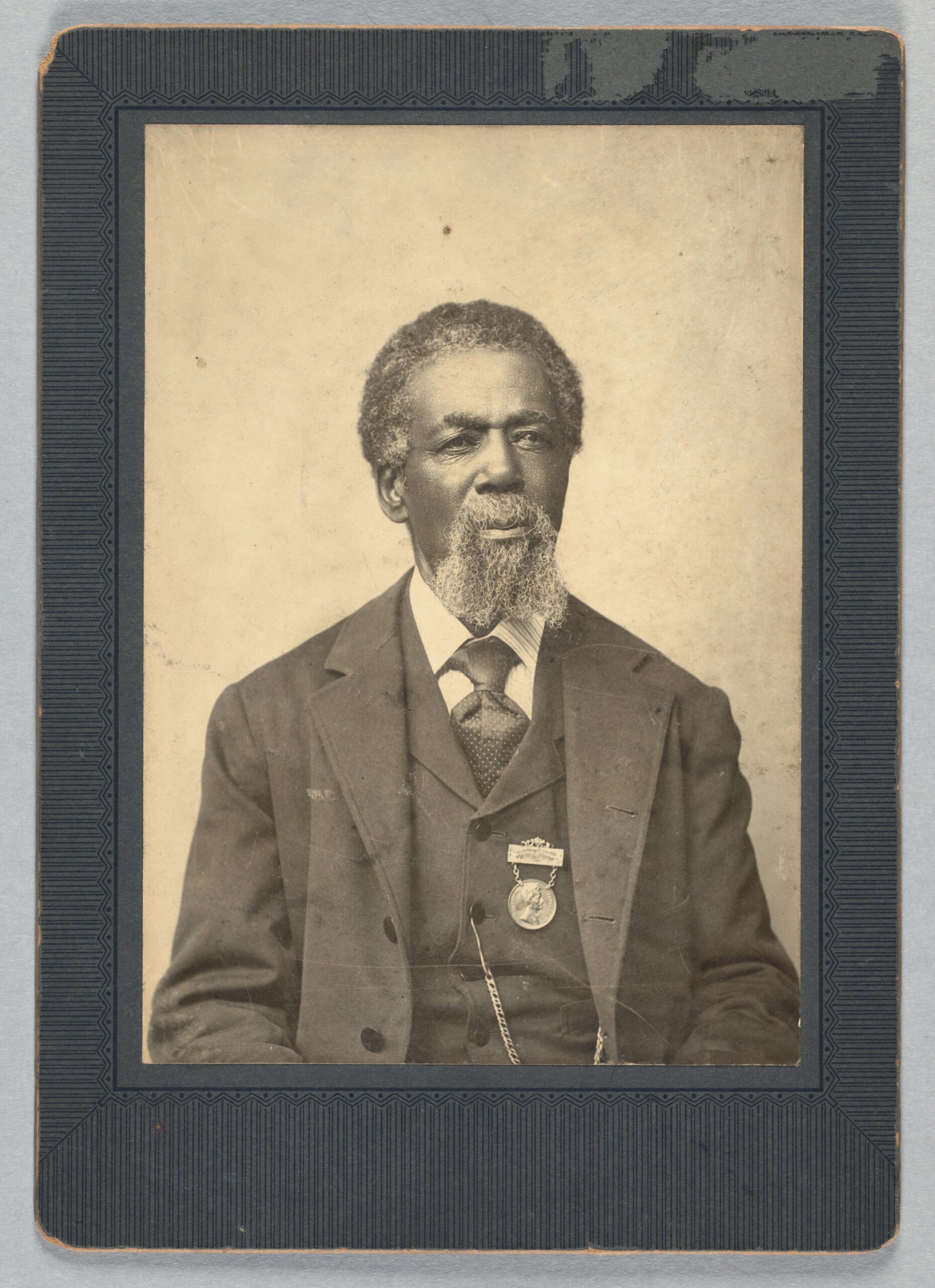
As PNJ’s members will know from my previous articles, I had been part of advocating for over some sixteen years for the City of Perth Amboy to make an archeological investigation a requirement for letting the Kushner Companies go ahead with their proposed waterfront development. Back in 2010, while researching my book about Thomas Mundy Peterson, the first African American to vote under the Fifteenth Amendment in 1870, I discovered that the site where his home had stood was in the development zone. While the house disappeared around the early 1910s, minimal development since held out the tantalizing possibility of doing archeology before the site was lost forever.
The saga of advocating and agitating had moved in fits and starts, through hopeful promises, discouraging setbacks, and many questions about process. It was even stalled for several years, mired awaiting resolution of legal tussles between the City and developer. Then, on the evening of January 7, 2026, Kushner’s representatives appeared at a public meeting of the Perth Amboy Planning Board, seeking substantial approval for the latest proposed version of the project. Advocates attended, ready to make what was starting to feel like an eleventh hour “Hail Mary” pitch to let a dig happen. A representative from the local HPC began speaking, only to be cut off by one of the lawyers—there was no need to continue, because a Phase I archeological study had already been completed with Phase II planned for the coming months!
There were several reasons why this had not been made generally known, some reasonable, some not. But what took me by surprise was the trigger. I admit my experience with preservation advocacy is at best limited. My exposure has been more with the hands-on aspects of conservation. I at least knew, however, about things like Section 106 reviews when public funds were involved. There were no indications of such funds here; however, so I had presumed 106 was not a factor. Instead, what had triggered the study came not from the history end of the regulatory process, but the environmental—the Freshwater Wetlands and Waterfront Development permit applications submitted by the developer to the DEP’s Division of Land Resource Protection. What I had been unaware of was how there is cross-review by agencies when such permits are being considered by the State. What was essentially an environmental regulatory review process was also passed through the history and culture side of the process, and this made all the difference.
Aside from being a personal education in the complicated world of regulatory processes, a nagging question intruded—would this outcome have happened whether any of us were out there advocating for it or not? In other words, in this particular instance, did advocacy matter? Perhaps that question will strike those better-versed in it all as naïve, but it was on the minds of several of those of us who had been part of the decade-and-a-half-plus journey.
The honest answer, evidently, is a resounding “maybe.”
The Thomas Mundy Peterson house site is just that—a site where a structure used to be. It is a small parcel within a much larger multi-block development impacting several still-standing buildings on the same block. The old Perth Amboy police headquarters, for instance, shared PNJ’s Top 10 Most Endangered status for 2025 with the Peterson site. There was no particular reason this empty patch of ground should leap out to even a diligent reviewer as being connected to a figure of importance to state and national civil and voting rights history. Would someone at SHPO have discovered it? Maybe. Maybe not. In other words, it was never a foregone conclusion.
What would play a role, however, was how those of us who knew the secret of that spot never shut up about it. Local historians and the HPC kept it in the general zeitgeist. Back in 2011, I had stood before the City Council and made them aware of the opportunity. I talked about it across two administrations, gave several public talks, was featured in press pieces, and wrote about it for PNJ. The Perth Amboy HPC had supported the initiative from the start, and the local chapter of the NAACP started a petition that garnered nearly a thousand signatures. I had also made an attempt at getting the site a Certificate of Eligibility to be on the State and National Register. While the effort failed, it did at least put the site on the DEP’s radar.
It is not possible to say any particular effort worked, but it would have been hard for the SHPO reviewers not to be aware Thomas Mundy Peterson’s house used to be there.
Every case will face different challenges, but reflecting on this particular situation offered some other potential lessons. To those of us who knew about Peterson and appreciated his place in history, it was the proverbial “no-brainer” that any opportunity to learn more about him should be seized. Accepting that this was not so obvious to others, however, was important. To the developer, letting a bunch of history nerds meddle with things threatened possible schedule delays and additional costs. This was why we were careful to make it known our goal was never to prevent development and that we were taking their concerns into account. To the politicians across from them, this was a minuscule point in a multimillion-dollar negotiation. As much as Peterson is part of the City’s civic pride, they were not about to risk such a deal over a dig—at least not unless there was enough outcry from their tax-paying and voting residents. Expanding advocacy beyond the usual suspects was also important. This was where getting press coverage and the petition came into play.
Again, though, how much did it really matter? All I know is that in speaking with the archeologist hired for the investigation, it was acknowledged that the project felt the pressure from such agitation. A confidentiality agreement—something that isn’t unusual in such situations—had precluded them being more forthcoming before the meeting. Even when it didn’t feel like our efforts mattered, they did, just more behind the scenes than we were aware.
It was announced at Thomas Mundy Peterson Day 2026 that an initial test trench had uncovered foundations exactly where I had expected from the documentary evidence. It is uncertain yet if any trash pits or other artifact sources remain. The project now moves to Phase II and, hopefully, a Phase III mitigation.
Thomas Mundy Peterson’s legacy is often told from a perspective of how progressive the white community in Perth Amboy had been, both encouraging and celebrating a Black man’s vote. There is no question this should be a source of civic pride. As I always say about the 1884 gold medal the City gave him in honor of his first, they were pinning a medal to a man’s coat for doing something in another part of the country at that time, they would be putting a noose around his neck for daring. By then Reconstruction was ended and there had been a reassertion of Jim Crow. Many of the advances Peterson represented were being clawed back. Yet in this telling, the man becomes a prop in his own story, frequently positioned to benefit the agenda of the teller—more symbol than man.
His legacy is not the clean step in an evolution towards a more perfect union it is often claimed. He lived to see everything from slavery to abolition to the end of Reconstruction to the Supreme Court decision that enshrined the legal segregation that would last into the 20th century. Context shows it is imperfect, messy, complicated, and relevant. This understanding comes from re-centering Peterson in his story.
Whether anything more than foundations are revealed, this foray into the complexities of preservation have at the very least served as a reminder Thomas Mundy Peterson was once a living, breathing, dreaming human being who lived in a house with his family—an ordinary man who made an extraordinary mark on history by simply caring enough to show up.
Previous articles:
The Fight for Archeology at the Thomas Mundy Peterson Home Site


K Suzanne Parsons
| 15 May 2026It’s good to hear that persistence and truth still has meaning and can make a difference in New Jersey.