
- October 3, 2026
- Darren Tobia
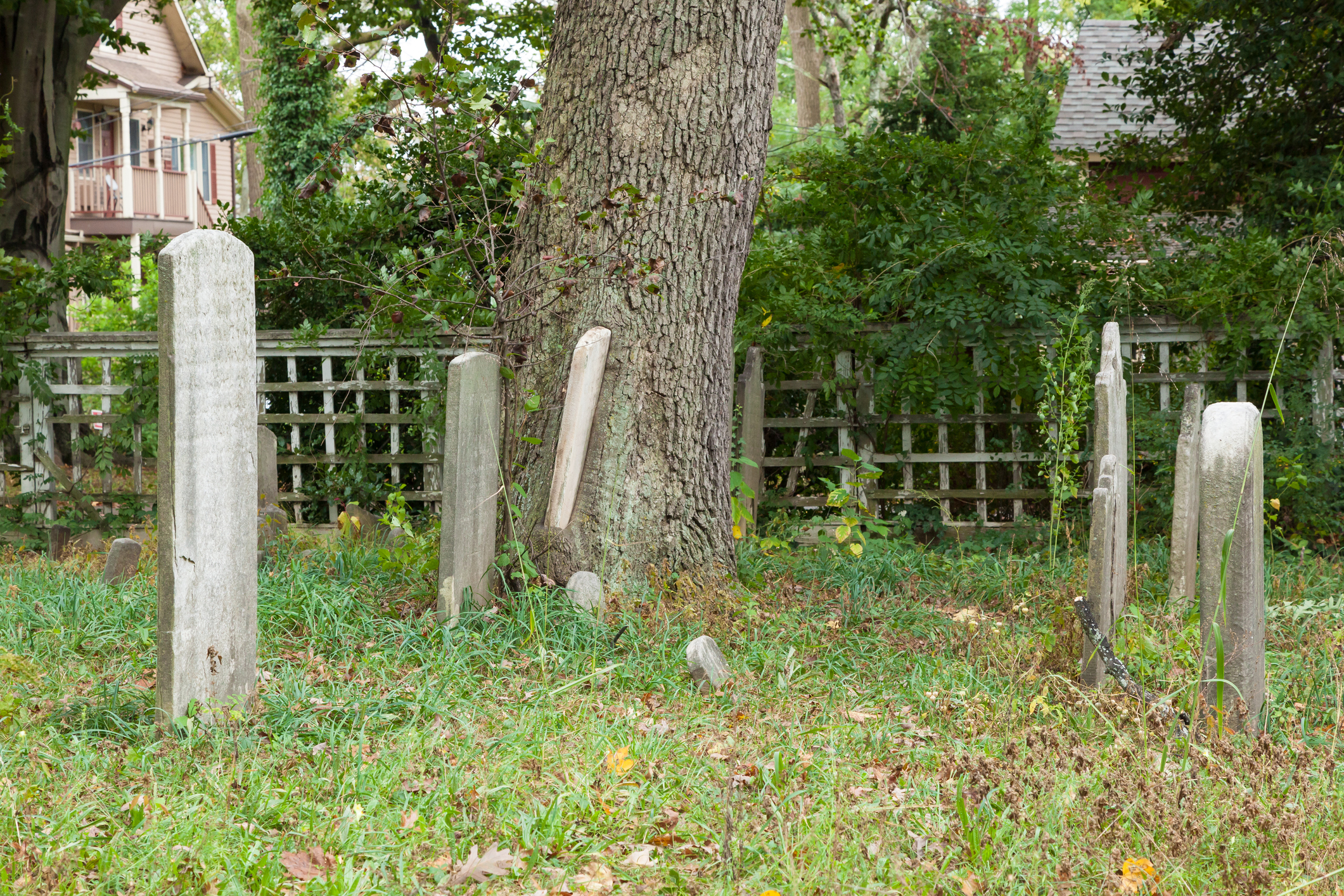
Arthur Rittenhouse is fortunate to know much of his family lineage — many of his descendants were Dutch colonists and are buried in the 300-year-old Hendrickson Family Burial Ground in Holmdel. In 2010, the unthinkable happened when all but nine of the historic gravestones in the cemetery were destroyed.
“There was a woman who was trying to sell her house and she didn’t like the idea that there were cemetery stones behind her property,” Rittenhouse said. “So she convinced the homeowners association that she had permission to remove them — but she didn’t have permission.”
Rittenhouse and the Henrickson Family Association fought the Beau Ridge homeowners association in court and won a sizeable settlement agreement that went toward remaking 50 historic headstones. With the help of in-depth records about their inscriptions and shapes, the cemetery was rededicated. However, the story didn’t end there. Now, Rittenhouse is determined to deter others from destroying historic cemeteries.
Rittenhouse is hoping the New Jersey State Legislature passes Bill A3475 that gives the law protecting cemeteries “more teeth,” he said, by levying harsher fines on those who destroy them. It is called the Family and Private Burial Grounds Preservation Act and is currently being heard in the Assembly Regulated Professions Committee. Two assemblywomen Rep. Yvonne Lopez and Rep. Mitchelle Drulis are listed as sponsors of the bill.
One of the major changes is making the offense of destroying a gravesite a criminal offense subject to imprisonment, instead of a misdemeanor, and raising the starting fines from $500 to $25,000.
Another notable inclusion in the proposed law is that, within 120 days of the bill’s effective date, property owners are required to report to the Department of Environmental Protection the existence of a burial ground on their land, raising awareness of abandoned cemeteries and leading to a comprehensive inventory of the state’s cemeteries. The bill allows property owners to transfer ownership to the municipality
This is not the first time Rittenhouse has tried to get a state law passed. He first tried to get Bill A2283 passed in 2012, but it never left the Assembly Regulated Professions Committee. That bill was reintroduced three more times between 2022 and 2024 but met similar fates.
However, he is much more hopeful this time as the effort has now gotten the attention of five board members of Preservation New Jersey — David Reading, Richard Veit, Mark Nonestied, Robert Wendel, all notable in the field of historic cemetery preservation.
“It seems like it’s moving faster than before,” Rittenhouse said. “The more people you have doing something like this, the better it is.”
Rittenhouse believes that the lobbying initiative’s coinciding with the 250th Anniversary of the American Revolution has helped the cause. Six Revolutionary War veterans were buried at the Henrickson Family Burial and four of those gravemarkers were destroyed in 2010.
“Most of these cemeteries have veterans from the Revolutionary War,” he said. “You’re disrespecting these people by not respecting these cemeteries.”
David Reading, board member at Preservation New Jersey, said the protection of historic cemeteries has become a priority of the organization, which listed historic cemeteries in their 2022 Most Endangered list and has led a series of workshops over the past year on restoring gravemarkers.
“A lot of places just let them deteriorate,” said Reading, who founded the Mount Amwell Project nonprofit in 2006 to preserve cemeteries in Hunterdon County.
Reading believes the proposed law doesn’t go far enough — he dreams of introducing another bill requiring municipalities to include a plan for preserving historic cemeteries in their master plans in hopes gravesites will be treated with more dignity.
“It’s always a battle — municipalities don’t want to do it and they use the excuse they don’t have any money,” Reading said. “They really just don’t want to do it.”
Darren Tobia is the editor of the Essex Review, covering the arts and preservation in Essex County.